Why Do Some Sites Ask for Phone Number at Checkout?
Have you ever noticed that some online stores or digital content platforms ask for your phone number during checkout? It feels a bit unusual when you’re used to entering just your card details or using popular wallets like Apple Pay or Google Pay. This post explains why phone number confirmation is becoming a key step in checkout flows, especially on mobile devices. We’ll cover the shift from traditional card payments to alternative options, how direct carrier billing works, and what this means for a faster checkout with fewer abandoned carts.
The Shift From Cards to Alternative Payments
Credit and debit cards have long been the default payment method online. However, user behavior and technology are evolving. More shoppers prefer payment methods that are faster, more secure, and tailored to mobile screens.
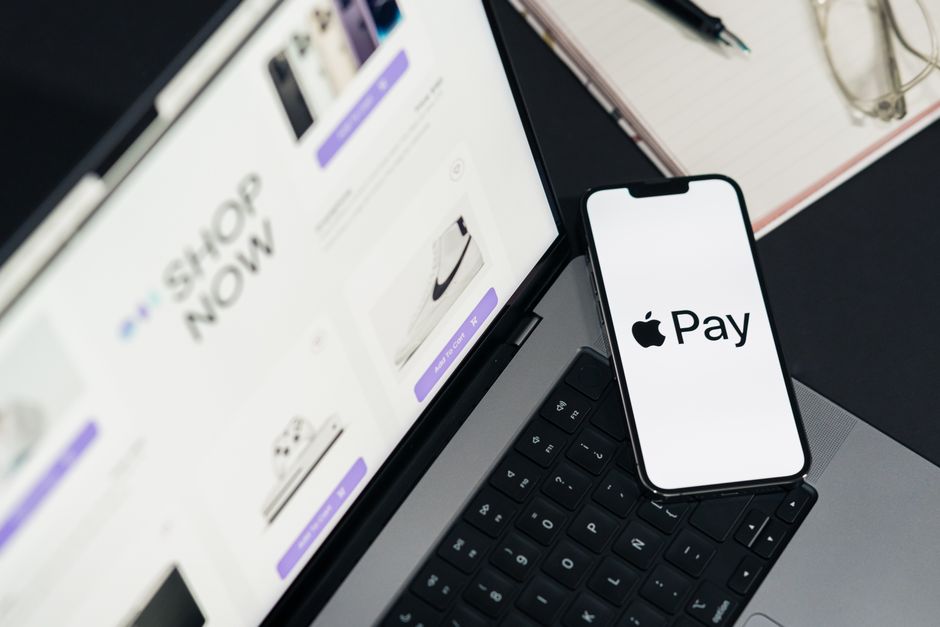
Here are three reasons why alternative payments—like phone number–based solutions—are gaining traction:
- Mobile-first design: Many users shop primarily on smartphones. Typing long card details on small screens is cumbersome.
- Security concerns: Shoppers want to avoid entering card details on unfamiliar sites. Phone-based verification can add a layer of trust.
- Simplified approval: Alternative payments can leverage existing mobile subscriptions or wallets for faster approval.
Companies like Apple Pay and Google Pay streamline payments by securely storing card info and enabling a quick tap-to-pay. But not every platform supports these wallets or they might not cover all purchase types, like digital content or app subscriptions. DCB payments
How Direct Carrier Billing Works: The Role of Phone Number Confirmation
One popular alternative payment method enabled by phone numbers is direct carrier billing (DCB). This approach lets users charge purchases directly to their mobile phone bill or prepaid balance.
Here's a simple breakdown of the process:
- The user provides their phone number at checkout.
- The merchant sends a payment request to the mobile carrier using that phone number.
- The carrier verifies the user’s identity through the phone network and approves the charge.
- The purchase amount is added to the user’s phone bill.
Because the phone number uniquely identifies the subscriber, this eliminates the need to enter card numbers. The carrier acts as the trusted payment intermediary. The GSMA, the global association representing mobile operators, has driven standards making carrier billing secure and interoperable across regions.
Why phone number confirmation matters: It’s not just about collecting digits. The confirmation triggers the carrier verification step and ensures the purchase links to the correct mobile account. Without it, the carrier can’t authenticate the user or charge them.
Data and Security: What Is Shared and What Is Not
When you enter your phone number for carrier billing, you might worry about privacy. What data do merchants and carriers access?
- Shared: Your phone number, confirmation that your account is active, and approval status.
- Not shared: Credit card details, full billing address, or personal identification numbers.
This limited data exchange helps reduce fraud while respecting user privacy, a point often overlooked in vague “security” statements.
Faster Checkout and Fewer Abandoned Carts
Let's sanity-check the benefit claims: "faster checkout" means less typing and quicker approval. "Fewer abandoned carts" means more users complete purchase rather than dropping out.
Phone number confirmation simplifies the flow by:
- Eliminating the need to type extensive card or address details on small screens.
- Using built-in mobile network verification that requires minimal user effort.
- Allowing near-instant carrier approval without external bank checks.
However, the “instant” approval claim isn’t magic. It depends on the carrier’s systems and network latency. Some carriers might take a few seconds to several minutes to confirm purchase eligibility.
Still, customers using app stores or digital content platforms often see smoother checkouts with carrier billing options integrated. This reduces friction in buying games, subscriptions, music, or in-app content.
Mobile-First UX and Small-Screen Design Considerations
Have you asked yourself "What does the user tap next?" after entering their phone number? The checkout UX must be clear and concise.
Here are best practices for mobile-first design when requesting phone numbers:

- Input masks: Automatically format the number as typed for readability.
- Clear call-to-action: e.g., “Confirm Phone Number” button near the input field.
- Explain purpose: Briefly tell users why the phone number is needed (for billing and verification).
- Easy correction: Allow users to edit their number before final submission.
Avoid jargon or vague statements like “secure verification” without clarifying what’s shared or how long approval takes.
Companies and Platforms Embracing Phone Number-Based Payments
Beyond Apple Pay and Google Pay wallets, many app stores and digital content platforms incorporate carrier billing as an option, especially where card usage is low or security concerns are high.
The GSMA works with mobile operators worldwide to streamline carrier billing, making it a reliable tool for merchants wanting to reduce friction in mobile checkouts. This coordination helps standardize quick approval processes and minimize failed payments.
Comparison of Checkout Methods and Their Phone Number Requirements Payment Method Phone Number Needed? Typical Use Case Approval Speed Credit/Debit Card No Broad online purchases Instant to a few seconds Apple Pay / Google Pay No (uses linked cards) Mobile wallets, secure tap payments Instant Direct Carrier Billing Yes Digital content, app subscriptions, prepaid users Seconds to a few minutesConclusion
Asking for faster checkout a phone number at checkout isn’t just about gathering contact info. It powers alternative payment methods like direct carrier billing, which leverage mobile subscriptions for quick, convenient purchases—especially on small screens. Thanks to the efforts of companies like Apple Pay, Google Pay, and industry groups like the GSMA, shoppers enjoy more payment choices that fit mobile usage habits.
By understanding why phone number confirmation matters, merchants can create smoother, faster checkout experiences and reduce abandoned carts. And as a user, knowing what data is shared and how the approval process works lets you feel confident when you tap “Confirm” after entering your number.