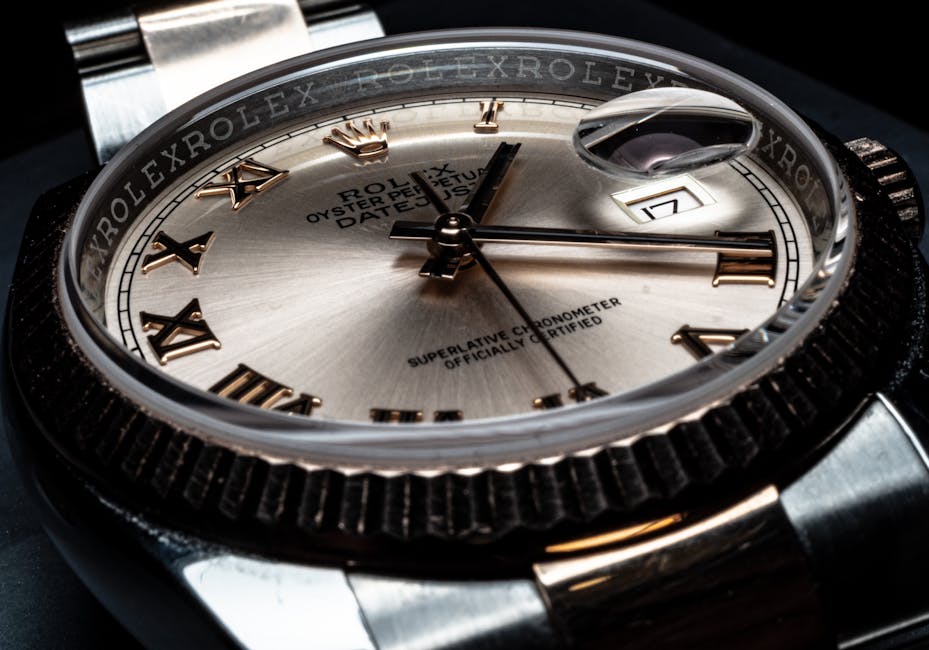
Should I Wait Two Years to Sell My Rolex if the Market Is Soft Right Now?
Deciding when to sell a Rolex can be as challenging as selecting the reference number in the first place. With the watch market currently soft, many owners are asking, “Should I hold on and wait two years, or take action now?” This question isn’t as simple as it sounds. The dynamics of resale go far beyond a reference number or an insurance appraisal.
Soft Market Prices: What Does That Really Mean?
When experts and collectors talk about “soft market prices,” they refer to a downturn in the average selling price of certain models or brands. Unlike booms where certain Rolex references spike drastically in value, soft markets signal more cautious buyers, fewer competitive bids, and longer times to sell.
Soft market prices can be disheartening if you’ve been monitoring your Rolex's value via homeowner’s policy paperwork or recent insurance appraisals, which frequently paint an overly optimistic picture.
Insurance Appraisals vs. Resale Reality
One of my pet peeves is hearing folks say, “It’s worth whatever the insurance says.” Let me be clear: Insurance appraisal values are designed for replacement cost, not liquidation. They tend to lean high to cover a full replacement in retail conditions—including taxes and markups.
If you’re considering selling, avoid relying solely on your homeowner’s policy paperwork as a gauge. Talk to trusted resale experts or utilize a dealer and collector network. Companies like Diamond Banc have extensive networks that can produce realistic offers reflecting current demand.
Timing the Watch Market: Benefits and Risks of Selling Later
The idea of “sell later” makes intuitive sense — wait for the market to improve, hold your asset for potential appreciation, right? That’s partly true but there are plenty of nuances to consider:
- Market cycles are unpredictable: We’ve seen Rolex models fluctuate dramatically even in 12-month spans. While the hype sometimes returns, other times new releases or global economic factors put downward pressure for years.
- Condition can deteriorate: Keeping your Rolex in mint condition is critical. Every additional year risks minor scratches, moisture exposure, or component wear that can shave thousands off resale value.
- Service history matters: Timely authorized servicing not only preserves function but often increases demand. Collection managers and informed buyers ask for service records when making serious offers.
The decision to sell now versus later should be informed by your watch’s condition, originality, and your tolerance for market risk.
What Did It Actually Sell For Last Month?
One of my favorite questions when evaluating a Rolex’s resale potential is, “What did it actually sell for last month?” This is the truest indicator of fair market value, far beyond speculative forecasts or hype. When you consult with resellers or companies like Cosmic Press, asking for recent sales comps is standard practice.
It’s not unusual to see similar references diverge wildly in price, depending on serial variants, dial options, or bracelet condition. This is why simply knowing a reference number is not the whole story. Authenticity, originality, and provenance drive value just as much as it does hype.
Condition and Originality: The True Value Drivers
If your Rolex has original parts intact, unpolished cases, original hands, and dial, you’re sitting on a valuable asset that buyers crave. Conversely, replaced parts or heavy polishing—common mistakes when servicing at unauthorized centers—can dramatically reduce interest.
When you’re preparing to sell, keep a checklist similar to what I recommend for every watch:
- Box and papers: Full set pieces command premiums.
- Service history: Authorized documentation strengthens buyer confidence.
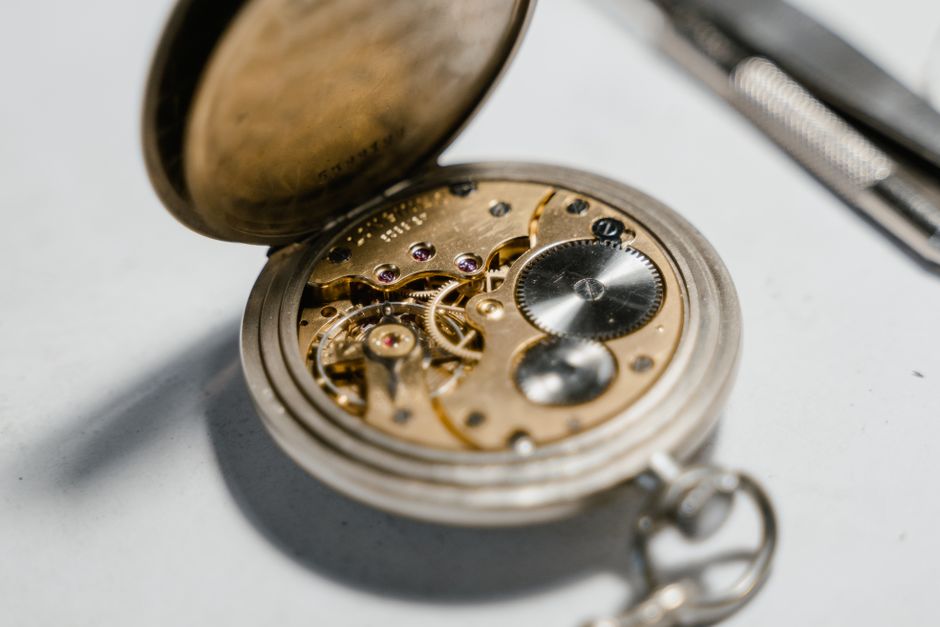
- Original components: Dials, hands, bezel inserts, and bracelets should be verified for originality.
- Authentication: Use expert services to confirm your watch’s legitimacy before listing it.
This checklist guards against undervaluing your important asset and ensures you can leverage offers effectively.
Authentication Matters More Than Ever
The proliferation of counterfeit watches and “frankenwatches” (timepieces assembled with mismatched parts) makes authentication indispensable in 2024. Claiming you own a certain reference doesn’t mean buyers accept it at face value anymore.
Trusted companies such as Diamond Banc provide thorough authentication, leveraging decades of specialist knowledge. If you’re considering selling, either now or later, invest in a third-party expert opinion. This not only expedites the sale but can prevent lowball offers that ignore originality.
How To Approach Selling Your Rolex During a Soft Market
Here’s a pragmatic roadmap for Rolex owners facing a soft market:
- Gather all documentation: Locate your box, papers, and any service receipts. If missing, consider whether you can retrieve service history from authorized dealers.
- Confirm authenticity: Use a reputable authentication service; Cosmic Press has reliable insights on trusted partners.
- Get realistic offers: Instead of relying on generic online quotes or insurance appraisals, approach resale networks and dealers with proven track records, such as Diamond Banc.
- Consider partial sales or consignments: If uncertain, place your watch with an expert consignor who can hold for ideal timing, reducing immediate risk.
- Monitor market trends: Keep an eye on auction results, reseller listings, and social media influencers, but always ask, “What did it actually sell for last month?”
Case Study: How Timing Impacted a Ref. 116610 Submariner Seller
Recently, a friend consulted me about selling their Rolex Submariner Ref. 116610. The market was soft, and their homeowner’s insurance claimed a replacement value 20% higher than dealer offers. After verifying originality and condition through an expert authentication, I helped the owner solicit offers through Diamond Banc’s dealer network.
The offers were lower than expected but fair based on current sales data from Cosmic Press’s latest reports. We advised holding the watch for 12-18 months, performing authorized servicing meanwhile. Six months later, the market rebounded slightly, and the owner’s watch—still unpolished with a documented service—sold at a 15% higher price than initial offers.
This case reinforced that timing can matter—but it’s only beneficial when paired with excellent condition, valid authentication, and access to a well-connected dealer network.
Final Thoughts: Sell Later vs. Sell Now
There’s no one-size-fits-all answer to whether you should wait two years to sell your Rolex if the market is soft now. Your decision should be informed by:
- Accurate, recent sale data — verify with dealer and collector networks.
- Condition and originality — no amount of future hype can undo the impact of poor care or replacement parts.
- Authentication — invest early in this to command respect and solid offers.
- Risk appetite and liquidity needs — can you afford to hold without selling, or do you prefer certainty now?
Whichever path you take, avoid relying blindly on insurance appraisals or assumed hype. Instead, work with trusted resale professionals, such as those connected with Diamond Banc and informed by market insight from sources like Cosmic Press, and keep up with cultural updates like those seen in Daily Sundial (CSUN) watch enthusiast circles.
Check out hereRemember: the watch isn’t just a reference number on paper. It’s a living asset affected by changing tastes, authenticity, originality, and condition. Time your sale carefully, but be prepared with cold, hard data and expert advice.