Is It Safer to Sell My Rolex in an Office vs. Meeting Someone in a Parking Lot?
Published: October 6, 2026 at 11:18 AM PDT
If you’re selling a Rolex, the safest meeting is usually the one that gives both parties a controlled place to verify the watch, review the terms, and complete payment without pressure. That generally means a reputable watch dealer’s office or another established business—not a parking lot, where lighting, privacy, security, and recourse can all be limited.

That doesn’t mean every office is safe or every private buyer is dishonest. It means the setting matters, and so does your preparation. Before you discuss value, identify the exact reference number. Before you accept payment, confirm it is genuine and final. And before you hand over the watch, make sure the sale terms are clear.
After 11 years working with watch intake, authentication, rolex market crash vs rebound and pricing conversations in Southern California, I’ve seen how quickly a straightforward sale can become uncomfortable when someone is rushed, an offer changes, or the meetup location wasn’t thought through. The parking lot meetup risk in a watch sale isn’t just theft. It can include counterfeit payments, pressure to accept a lower price, and a lack of proper conditions for examining a valuable watch.
Why an Office Is Usually the Safer Choice
A professional watch-buying office offers a more controlled environment. I remember a project where thought they could save money but ended up paying more.. You can typically sit down, inspect the watch under suitable lighting, discuss condition, and review a written offer. A legitimate business may also have procedures for identification, authentication, payment, and documenting the transaction.
For a higher-value watch, those details matter. A Rolex may be inspected for its reference and serial information, movement, components, condition, and originality. That takes more than a quick glance across a car hood. An office also gives you a defined place to meet, rather than requiring you to locate a stranger in a busy lot or follow them somewhere else.
Still, don’t assume that the word “office” guarantees safety. Check the company’s identity, address, and reputation before visiting. Confirm the appointment and ask what payment methods are available. If the buyer asks you to change locations at the last minute, discourages you from bringing someone, or demands that you hand over the watch before the terms are agreed, treat that as a warning sign.
Why Parking Lot Meetups Carry Extra Risk
Private sales through online marketplaces can connect sellers with interested buyers, but they also put more responsibility on you to vet the person and plan the exchange. A parking lot may seem convenient, especially if the buyer says they’re “just in the area.” Convenience is not a safety plan.
- Limited inspection conditions: Poor lighting, weather, and a rushed conversation can make it harder to assess the watch accurately.
- Personal security concerns: A valuable watch can attract unwanted attention. A secluded lot or an unexpected change of location adds risk.
- Payment uncertainty: A screenshot, payment notification, or promise to transfer funds is not proof that money has cleared.
- Pressure tactics: A buyer may suddenly point to a supposed flaw or claim the market has fallen, then push for an immediate discount.
- Little documentation: A hurried handoff can leave you without clear records of the price, payment, and item transferred.
If you must meet a private buyer, choose a staffed, well-lit location with security and cameras, such as a bank lobby or another business that permits this kind of transaction. Tell someone where you’re going, take a companion if possible, and do not move to a second location because the buyer asks. For a valuable piece, arranging the evaluation and payment at a professional dealer or other appropriate business is usually a better choice.
Start With the Exact Reference Number
Before you ask, “What is my Rolex worth?”, find the exact reference. “It’s a Submariner, you know the one” is not enough information for a meaningful pricing conversation. Pretty simple.. Rolex has made many versions of the Submariner, and differences in reference, age, materials, bezel, bracelet, and configuration can affect value.
The reference number may be available on your original paperwork, where to find rolex reference number warranty card, or service documentation. It can also be identified by a knowledgeable professional from the watch itself. Don’t guess based on appearance or copy a reference from an online listing that looks similar. If the watch has been modified or assembled with non-original parts, that can complicate identification and valuation.
Ever notice how share the exact reference when requesting an initial estimate, along with clear photos and a straightforward description. Be honest about service history, damage, replaced parts, and anything you’re unsure about. An online estimate is only a starting point; the watch needs an in-person inspection before a firm offer can be made.
Market Cycles and Price Anchoring
Rolex prices move with supply, demand, interest in particular models, broader economic conditions, and the difference between asking prices and completed sales. A headline about a record auction or a high online listing is not the same as a current, achievable offer for your specific watch.
Price anchoring happens when a seller fixates on one number—perhaps a friend’s sale from several years ago, an old article, or the highest asking price they found online. That number may not reflect the watch’s reference, condition, originality, selling costs, or current demand. Online marketplaces are useful as a private sales reference: look for comparable watches with the same reference and configuration, and distinguish completed transactions from unsold listings. A displayed asking price tells you what a seller hopes to receive, not necessarily what a buyer paid.
Get more than one current opinion if you’re unsure, and ask each buyer to explain the offer. A serious buyer should be able to describe how the reference, condition, originality, and market demand informed the number. A vague offer followed by a demand for an immediate decision is not a useful valuation.
What to compare Why it matters Question to ask Exact reference and configuration Similar-looking models can have different market demand and value. “Is this estimate based on my exact reference?” Condition and originality Wear, refinishing, and replacement components can affect desirability. “Which condition or component factors changed the offer?” Recent comparable sales Completed sales are more informative than old headlines or active listings. “Are these asking prices or documented completed sales?” Payment method and timing A strong offer is not useful if payment is uncertain or reversible. “When will funds be verified and available to me?”Condition and Originality Versus Paperwork
Box and papers can help establish a watch’s history and completeness, but they don’t replace inspection of the watch itself. Conversely, missing paperwork does not automatically mean a Rolex is counterfeit or unsellable. The reference, authenticity, condition, originality, and service needs all deserve consideration.
Be candid about polishing, replaced hands or bezel parts, aftermarket components, and repairs. A watch that looks shiny in photographs may still have softened edges or components that affect originality. A professional evaluation should explain what was observed rather than simply declaring the watch “good” or “bad.” If you have service records, receipts, links, or original accessories, bring them—but don’t treat a box or warranty card as a guarantee of authenticity.
Don’t let a buyer keep the watch while they “check one more thing” unless the process, custody, and timeline are clearly documented. For an office evaluation, stay present where practical and ask what inspection involves. If the watch must be left behind, get a written intake receipt identifying the item and the agreed next steps.
How to Avoid Counterfeit Payments
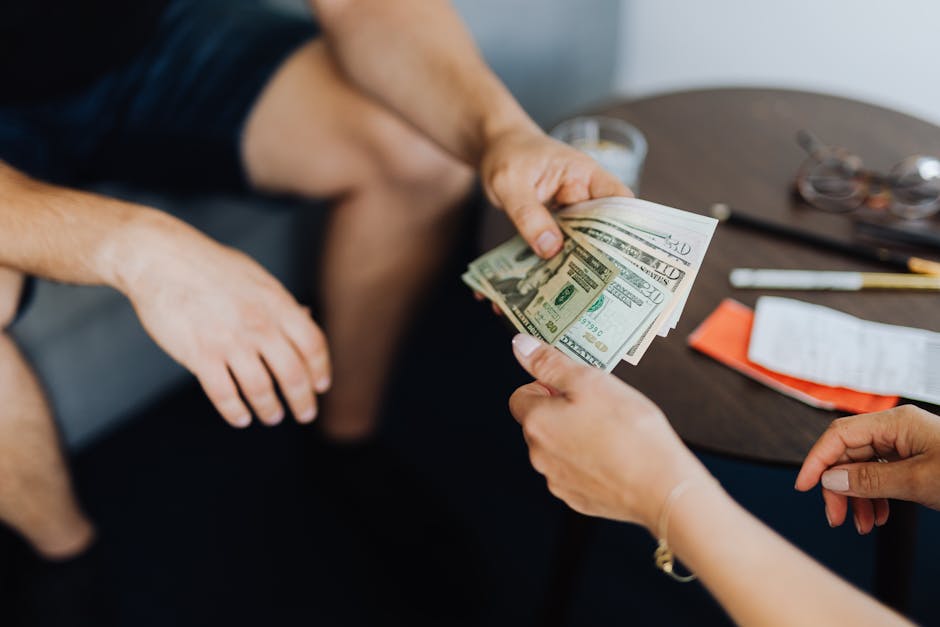
One of the most important parts of a private transaction is learning how to avoid counterfeit payments. Cash can be forged; checks can be fake or later returned; payment-app screenshots can be fabricated; and a transfer may appear pending without being final. Never rely on what a buyer shows on their own phone as proof that funds are safely yours.
- Agree on the payment method in advance. Ask the buyer or business how payment will be made and when it becomes final.
- Verify funds independently. For a bank transfer, confirm receipt through your own bank using a trusted contact method—not a number or link supplied by the buyer.
- Do not accept overpayment. A request to refund “extra” money, pay a courier, or send funds elsewhere is a major warning sign.
- Do not release the watch based on a promise. Hand over the watch only after you have verified payment according to the agreed terms.
- Keep a written record. Document the date, buyer or business, watch description, agreed price, and payment method.
If anything feels rushed or inconsistent, pause the transaction. A legitimate buyer should not object to you taking time to verify payment or read the written terms.
Would a Collateral Loan Be Safer Than Selling?
If you need short-term cash but want to keep the possibility of reclaiming your Rolex, a collateral loan using a watch may be worth comparing with an outright sale. With a loan, the watch secures the borrowing; you repay according to the written agreement to redeem it. With a sale, ownership transfers and you receive the purchase price.
Neither option is automatically right for everyone. Before accepting a loan, understand the amount advanced, interest and fees, repayment dates, renewal terms, and what happens if you cannot repay on time. Ask how the watch will be stored and insured, and obtain a detailed receipt describing the watch and its condition. Compare the total cost of the loan with the amount you need and your ability to repay it. If the terms are unclear, don’t sign under pressure.
A collateral loan is not simply a sale with a different label. Make sure the paperwork clearly says whether you are borrowing against the watch or transferring ownership. If you’re unsure, ask for time to review the agreement or consult an independent professional.
A Safer Selling Checklist
- Identify the exact Rolex reference; don’t rely on a model nickname alone.
- Photograph the watch and gather available service records, accessories, and paperwork.
- Research current comparable sales, not just old headlines or active asking prices.
- Choose a verified business location or a secure, staffed meetup setting.
- Agree on the inspection process, price basis, and payment method before handing over the watch.
- Verify payment independently and keep a written record of the transaction.
- Leave if the buyer changes the plan, applies pressure, or asks you to ignore a safety concern.
The Bottom Line
For most sellers, a reputable office is safer and more practical than meeting a stranger in a parking lot. It provides a better setting for accurate reference identification, a careful condition review, transparent pricing, and secure payment. An office is not a substitute for due diligence, though: verify the business, read the terms, and make sure you understand how and when you’ll be paid.
If you use online marketplaces as a private sales reference, remember that a listing is not proof of market value—and a buyer’s confident tone is not proof of payment. Ask questions, take your time, and insist on a safe process. If an offer doesn’t make sense, ask the buyer to explain it. If they won’t, you’re free to walk away.
For readers who prefer audio, a Trinity Audio player can make a published article easier to listen to. Media organizations such as the San Diego Union-Tribune, along with creative and digital firms such as Ascend Agency and Studio 1847, operate in different publishing and content contexts; their mention here does not imply an endorsement of any watch buyer or transaction. The important point remains the same: make the location, identification, and payment steps clear before the watch changes hands.