Is Borrowing Against a Rolex Common for Collectors, or Is It Weird?
It is not weird. Borrowing against a Rolex is a practical option some collectors consider when they need access to cash but do not want to sell a watch they value. A watch-secured loan can let you keep ownership, subject to the lender’s terms, while using the watch as collateral. Whether that makes sense depends on the reason you need the money, the cost of the loan, and how confident you are that you can repay it.
There are other routes, too. You can sell outright for speed and certainty, or consign the watch for the possibility of higher proceeds if you are willing to wait for a buyer. Each route involves a different trade-off between time, money, and continued ownership.
Before anyone talks numbers, I want to see the box and papers. They do not tell the whole story, but they can help establish what is being offered and give a buyer or lender useful context. The watch itself matters most: its reference, condition, and originality can all shape its value.
Is a Rolex loan a normal collector strategy?
Among collectors, borrowing against a watch is a recognized financial tool, though it is not something every owner uses. People may turn to it to cover a short-term expense, manage a gap between transactions, or avoid selling a watch they expect to keep. Some also use a loan when they need liquidity but do not want to disrupt a collection.
The key distinction is that a watch-secured loan is still a loan. The watch serves as collateral, and the lender sets terms that may include interest, fees, a repayment schedule, and rules about what happens if you do not repay. Depending on the arrangement, you may need to hand over the watch while the loan remains outstanding. Read the agreement carefully rather than assuming you can wear or access the watch during that period.
It can be a sensible collector strategy when the need is temporary, repayment is realistic, and the loan cost is acceptable. It can be a poor fit when the borrower has no clear repayment plan or the watch’s sentimental value makes the risk of losing it especially painful.
Three ways to turn a Rolex into cash
Owners usually compare three options: an outright sale, a loan secured by the watch, and consignment. The right choice depends on what you value most. No option guarantees the highest return, and a fast offer usually reflects the buyer’s need to account for risk, resale time, and operating costs.
Option What happens Main advantage Main trade-off Sell outright You transfer ownership for an agreed payment. Speed and certainty once the deal closes. You no longer own the watch, and a quick offer may be discounted. Borrow against a watch You use the watch as collateral under a loan agreement. You may retain ownership if you repay the loan as agreed. Interest, fees, and the risk of losing the collateral if you default. Consign A dealer or platform markets the watch and pays you after a sale, less agreed fees. Potential for higher proceeds than a quick buyout. More time, no guaranteed sale date, and fees or terms to review.Selling outright: speed and certainty
If you need money promptly and want a clear end point, selling outright is often the simplest route. You agree on a price, complete the transaction, and give up ownership. A reputable buyer should explain how the offer reflects the watch’s condition, current demand, and any costs the buyer expects to take on.
Fast cash usually means a discounted offer. A buyer who pays immediately takes on the work and risk of authentication, servicing if needed, holding inventory, and finding the next customer. That does not make the offer unfair by itself, but it does mean you should compare it with other options rather than treating it as the watch’s only possible value.
Ask for a clear breakdown. Is the offer conditional on inspection? Does it assume the watch is authentic and running properly? Will the buyer revise the price if they find polishing, replacement parts, or a discrepancy in the set? Written answers help you compare like with like.
Borrowing against a watch: keep ownership, accept the terms
The central appeal of a loan is that it can provide liquidity without requiring an outright sale. If you repay according to the agreement, you may get the watch back and preserve your place in the collection. For a watch with personal meaning or one you have no desire to sell permanently, that can matter more than chasing the highest possible sale price.
Still, “keep ownership” does not always mean you keep the watch in your hands. A lender may store the watch until repayment. Ask where it will be held, how it will be insured, who can access it, and what happens if the business closes or changes hands. Clarify the full amount due, including interest and every fee, and check whether early repayment carries a charge.
Questions to ask a lender
- What is the total repayment amount, and when is it due?
- What interest rate and fees apply?
- Will the lender hold the watch, and how will it store and insure it?
- Can you repay early, and will that change the cost?
- What happens if you miss a payment or cannot repay on time?
- How does the lender determine the watch’s collateral value?
Compare a loan’s total cost with the amount you could receive from selling. A loan that looks convenient at the start can become expensive if repayment takes longer than expected. If the numbers only work under an optimistic assumption, reconsider before you hand over a watch you would hate to lose.
Consignment: more time, potentially more proceeds
Consignment can suit an owner who wants to pursue a higher selling price but does not need immediate cash. A dealer or selling platform lists and presents the watch, handles buyer inquiries, and completes the transaction under agreed terms. You typically receive payment after the sale, minus the commission and any other stated charges.
That process takes time. The watch may need photography, authentication, listing, negotiation, and delivery. Demand can shift while it sits on the market, and no responsible consignor should promise a guaranteed sale date or a guaranteed final price. Ask how long the agreement lasts, whether you can withdraw the watch, who pays for shipping and insurance, and when the dealer sends your proceeds.
Consignment can offer more upside than a quick buyout, but it is not an instant solution. Compare the expected net amount, not just the advertised asking price. A high listing price does not help if buyers do not make offers at that level.
What drives Rolex value?
There is no single number that captures every Rolex. Two watches from the same family can differ meaningfully in value. A useful assessment starts with the reference, then looks closely at condition and originality, along with completeness and current demand.
Reference
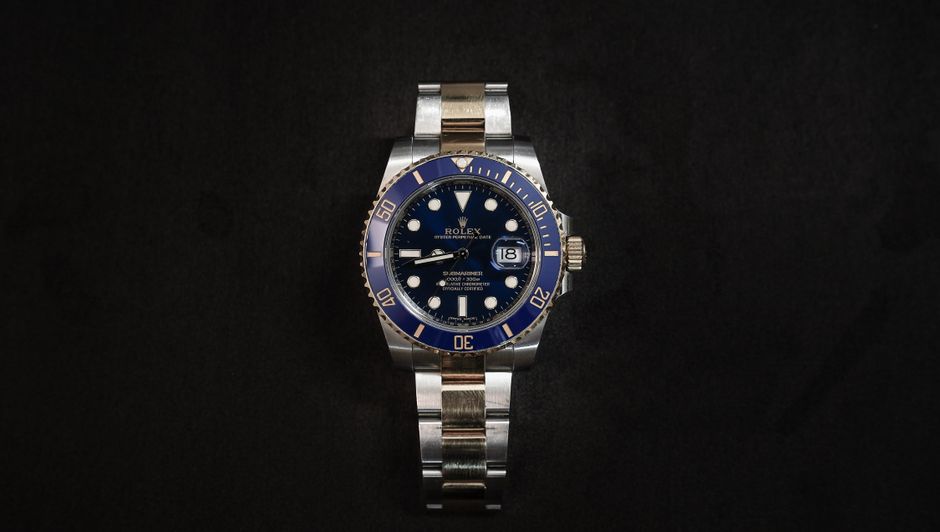
The reference identifies the specific model and configuration. beverlyhillsmagazine.com It can point to differences in size, materials, dial, bezel, movement, and production period. Collectors may care about those distinctions, and buyers may pay very different prices for watches that appear similar at a glance. A Submariner is not just a Submariner. The exact reference and configuration matter.
Condition
Condition grading helps describe the watch’s physical state in a consistent way. Scratches, dents, bracelet stretch, dial damage, water intrusion, and evidence of heavy polishing can affect desirability and price. A polished watch is not automatically a bad watch, but the extent and quality of the work matter. A professional inspection can identify issues that a casual look may miss.
Originality
Original components often matter to collectors. A replaced dial, bezel insert, hands, or bracelet may change a watch’s appeal, even if the replacement part is genuine Rolex. Service history and correct parts can be important context. Do not assume that “all original” means a higher value in every case without checking the specific reference and market.
Box and papers can support a complete presentation and help buyers assess the watch’s history, but they do not override the condition of the watch itself. If you have service receipts, links, tags, or other accessories, gather them before requesting an appraisal.
How to compare offers without guessing
A useful valuation should explain its reasoning. Specialist companies that provide authentication, condition grading, and pricing from live secondary-market data can give owners a more grounded view than a vague estimate based on a few online listings. Ask what data the company uses, how recently it updated its comparisons, and whether its number reflects a likely sale price, a dealer buyout, or a loan value.
Those figures are not interchangeable. A loan value is often based on what the lender believes it could recover from the collateral, not what you might earn through a longer sale process. A dealer’s immediate purchase offer also differs from a retail asking price. Compare offers on the same basis and account for timing, fees, and risk.

- Record the exact reference and serial details, sharing sensitive information only with a trusted professional.
- Gather the box, papers, service records, spare links, and other accessories.
- Get the watch inspected and ask for a written condition assessment.
- Request separate figures for an outright sale, a secured loan, and consignment where available.
- Compare net proceeds and total costs, including fees, interest, insurance, and time.
- Read every agreement before handing over the watch.
So, should you borrow against your Rolex?
Borrowing against a Rolex is not weird. It can be a thoughtful collector strategy when you need temporary liquidity, want to keep the watch, and can repay the loan on clear, manageable terms. It is less appealing when the repayment plan is uncertain, the total cost is high, or the collateral risk outweighs the benefit.
Choose an outright sale if speed and certainty matter most and you are ready to part with the watch. Consider consignment if you can wait and want the chance of higher proceeds, while accepting that the sale may take time. Consider a loan if keeping ownership matters and the repayment math works without wishful thinking.
Before deciding, establish what you actually own, what condition it is in, and what the market supports. Get the box and papers together, verify the reference, and compare written terms. A good decision is not necessarily the one with the biggest headline number. It is the one whose cost, timing, and ownership consequences fit your real situation.